Gothic, apocalyptic, and hard to place: Buttechno and vocalist Triš dissolve jungle, shoegaze and 2-step into spectral noir.


There is a term that keeps surfacing around this record "jungle noir" and it earns its keep. The Spirit, the second full collaboration between Berlin-based Ukrainian producer Pavel Milyakov (Buttechno) and vocalist Oleksandra Trishyna, is music that moves like jungle at night, with all the rhythmic propulsion of that form and none of its light. The atmosphere throughout is one of untimely ending, and it is persuasive enough that you do not spend much time interrogating whether it is earned.
What distinguishes Milyakov's production from his contemporaries in the experimental electronic space is his primary instrument: a Fender guitar. This is not incidental texture but a load-bearing structural element, and it explains why The Spirit sounds less like synthesiser music that has developed dark tendencies and more like heavy music that has been pulled apart and rewired at the component level. On "Wings," walls of corroded distortion accrue in ways that directly recall Justin K. Broadrick's Jesu project and the deeper end of My Bloody Valentine's approach to noise as melody. The track does not resolve so much as it sediments.
Trishyna's vocals are the other axis. Processed algorithmically into stuttering, non-linear sequences, they arrive feeling displaced from any recognisable origin, belonging to what the Quietus reviewer aptly called "a parallel realm." The effect is not experimental for its own sake but serves the record's central subject, which seems to be about voice as something that persists after the conditions that produced it have ended. That reading is difficult to separate entirely from the context of two Ukrainian artists working in 2026, though the record does not make the connection explicit and does not need to.
The genre range across the tracklist is wide and handled with uncommon confidence. "Spirit Dub" is apocalyptic trip-hop, slow and weighted. "The Spirit" itself is spectral 2-step, its rhythmic grid present but smeared, functioning more as a ghost of dancefloor structure than any direct address to it. "Carry the Wind" is the closest the album comes to breathing freely, a shoegaze reverie that provides temporary respite before the record closes back in.
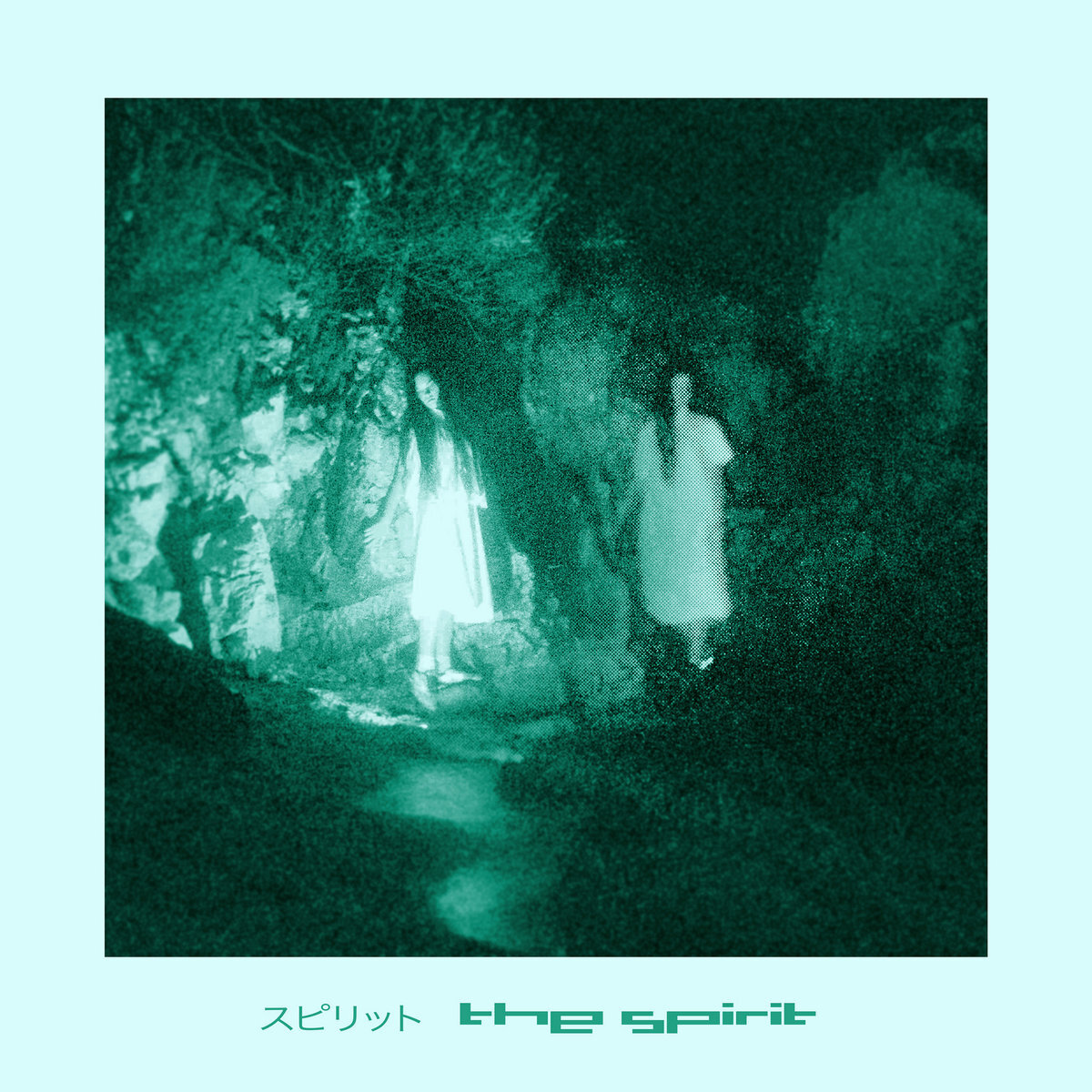
The artwork is well chosen: kanjis referencing The Designers Republic's 1990s Warp Records design language alongside Victorian spirit photography, two visual traditions obsessed with representing what cannot be directly seen. It is a fair summary of what the music is doing. The Spirit is a record about presences, and it makes you feel them.


;)
;)
;)
;)
Enter your email address below to stay up to date with Absolute Loss new and announcements.

© Absolute Loss 2026.